

















Soft-Story Retrofits
Strengthening multi-story buildings with open ground floors.
Safeguard your soft-story building with retrofit solutions that address the unique vulnerabilities of open ground-floor designs, reducing earthquake risk while protecting occupants and property.
Soft-story buildings are multi-story structures with a ground floor that is less rigid than the floors above, like apartments with tuck-under parking, retail spaces (storefronts), and showrooms. This common design feature creates significant structural vulnerabilities during an earthquake, increasing the risk of severe damage or collapse.
Soft-Story Retrofits for Safer, Stronger Buildings
Soft-story retrofits strengthen vulnerable ground floors, improving a building’s ability to withstand seismic forces and reducing the risk of structural failure.
These upgrades focus on reinforcing the areas most likely to collapse during an earthquake—helping protect tenants, limit damage, and support long-term property resilience.
What you can expect:
Specialized Expertise
Decades of retrofit experience for complex structures, backed by proven engineering partnerships and field-tested solutions.
Custom Solutions
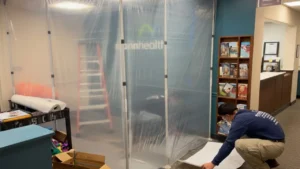
Minimal Tenant Disruption
Coordinated, phased work to limit disruption for residents, businesses, and customers.
1. Initial Consultation
We review your building type, usage, and project goals to determine the best soft-story retrofit approach.
2. Engineer Coordination
Choosing the right engineer is critical. Don’t have one? We’ll bring in an engineer with soft-story retrofit experience. Already have one? We’ll collaborate with them to keep the design efficient and on budget.
3. Plan Review
We assess engineering designs for constructability, cost efficiency, and compliance before submission to the city.
4. Construction Execution
Our in-house crews handle all retrofit phases with careful attention to safety, quality, schedule, and tenant concerns.
5. Final Inspection and Handover
How Our Soft-Story Retrofits Work
Our process is designed to deliver a retrofit that meets safety standards, fits your budget, and protects your operations:
1. Initial Consultation
We review your building type, usage, and project goals to determine the best soft-story retrofit approach.
2. Engineer Coordination
Choosing the right engineer is critical. Don’t have one? We’ll bring in an engineer with soft-story retrofit experience. Already have one? We’ll collaborate with them to keep the design efficient and on budget.
3. Plan Review
We assess engineering designs for constructability, cost efficiency, and compliance before submission to the city.
4. Construction Execution
Our in-house crews handle all retrofit phases with careful attention to safety, quality, schedule, and tenant concerns.
why it matters
Retrofit and repair costs can change a deal—or derail a project plan. A well‑built budget helps you:
Safety Assurance
Reinforces the weakest part of the building, protecting occupants from potential harm during seismic events.
Investment Protection
Preserves and potentially increases your building’s market value, making it more attractive to buyers, tenants, and lenders.
Liability Reduction
Lowers the risk of legal issues from structural failures, ensuring compliance with insurance and lender requirements (SUL below 20).
Insurance Savings
May help lower earthquake insurance premiums once the building’s seismic performance is improved.
Financing Eligibility
Satisfying lender standards can open more financing options and attract more qualified buyers if you sell.
Operational Continuity
Minimizes downtime for businesses or rental units, helping retain tenants and customers who might otherwise go elsewhere after a disaster.
What our clients have to say
Lorem ipsum dolor sit amet consectetur adipiscing eli mattis sit phasellus mollis sit aliquam sit nullam.
James Killian
COASTLINE REAL ESTATE ADVISORS
FAQ
A soft-story building typically has large openings—such as parking, retail storefronts, or wide windows—on the ground floor with one or more floors above. A seismic evaluation by a qualified engineer can confirm if your building meets this definition.
In many California cities and other earthquake-prone regions, local ordinances mandate retrofitting for certain soft-story buildings. Even if it’s not legally required where your property is located, it’s still a critical safety and risk-reduction measure.
The timeline depends on the building size, design complexity, and whether businesses or residents continue occupying the property during construction. Many projects can be completed in a few months, often using phased work to minimize disruption to daily life and operations.
In many cases, yes. We can often phase construction or work during off-hours so residents can stay in their homes and businesses can continue operating. Whether this is possible depends on your building’s layout and the specific retrofit approach.
Ready to Fortify Your Soft-Story Building?
A soft-story retrofit isn’t just about meeting codes—it’s about protecting the people inside, safeguarding your investment, and ensuring your building can endure the next earthquake.
Let’s talk about your property. We’ll walk you through retrofit options and help you choose a plan that works for your needs, budget, and timeline.
Take the first step toward a safer building—contact us today.